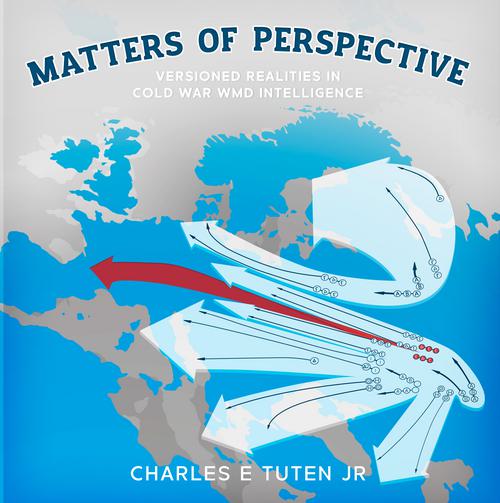
Book examines the Cold War history, and US intelligence appraisal, of the Soviet WMD Operation—the integrated employment of at least nuclear and chemical weapons on the battlefield—from concept late 1950s origin; intentions to provide both means to allies in the Warsaw Pact; alterations in mass destruction weapons plans during three decades; and increasing prominence of conventional weapons reliance.
Evolving Soviet operational variants during the last three decades of the Cold War for exploiting mass destruction and conventional weapons by the mobilization and deployment of Soviet and Warsaw Pact fronts are considered. Book explores both substantive and perceptual problems of three decades of intelligence assessments.
LOOK INSIDE sample book contents as well as declassified Cold War overhead imagery of Mal'ta biological weapons plant and 1959 U-2 of Engels nuclear storage—the associated airfield has been subjected to repeated Ukrainian drone attacks.
REVIEWS
The International Review of Books
An astonishing and frightening account of Russia's actions spanning the three decades of the Cold War. For those of us who feel America is omnipotent, this book would be a rude awakening as it highlights the failure of our intelligence organizations. Written in a concise and factual style, this book cites stunning statistics and descriptions of not only failed actions but measures that no officials of our governmental body even thought to put into action.
Russia has, as we learn here, taken active measures to both destroy and disarm all those they perceive as threats—namely, the United States of America. So what advantage could we gain by attempting to put together an accurate account of exactly what they did to render useless the NATO defense system, as the author has undertaken? Any power that fails to understand and learn from the preparations their attackers have taken in the past will therefore not be prepared to prevent the attacks from reoccurring in the future. An inherent problem, as the author correctly points out, is our actual and perceived inability to correctly formulate an accurate intelligence assessment. The author's opinions are not made randomly; instead they are backed by classified documents and sources not generally available to the American people.
Crammed with facts, figures and descriptions of events as they occurred, this book requires application from the reader, a desire to delve into and better understand history and politics, and an above average intelligence to truly understand the information the author has presented and laid out for us. In order to understand the complexity of what occurred, the book should, in my opinion, be read slowly and with an open mind. That said, the author has an astounding intelligence as well as the requisite writing skills allowing him to create a work of this depth and precision. Highly recommended.
Kirkus Reviews
A former CIA analyst exposes critical failures of U.S. intelligence during the Cold War.
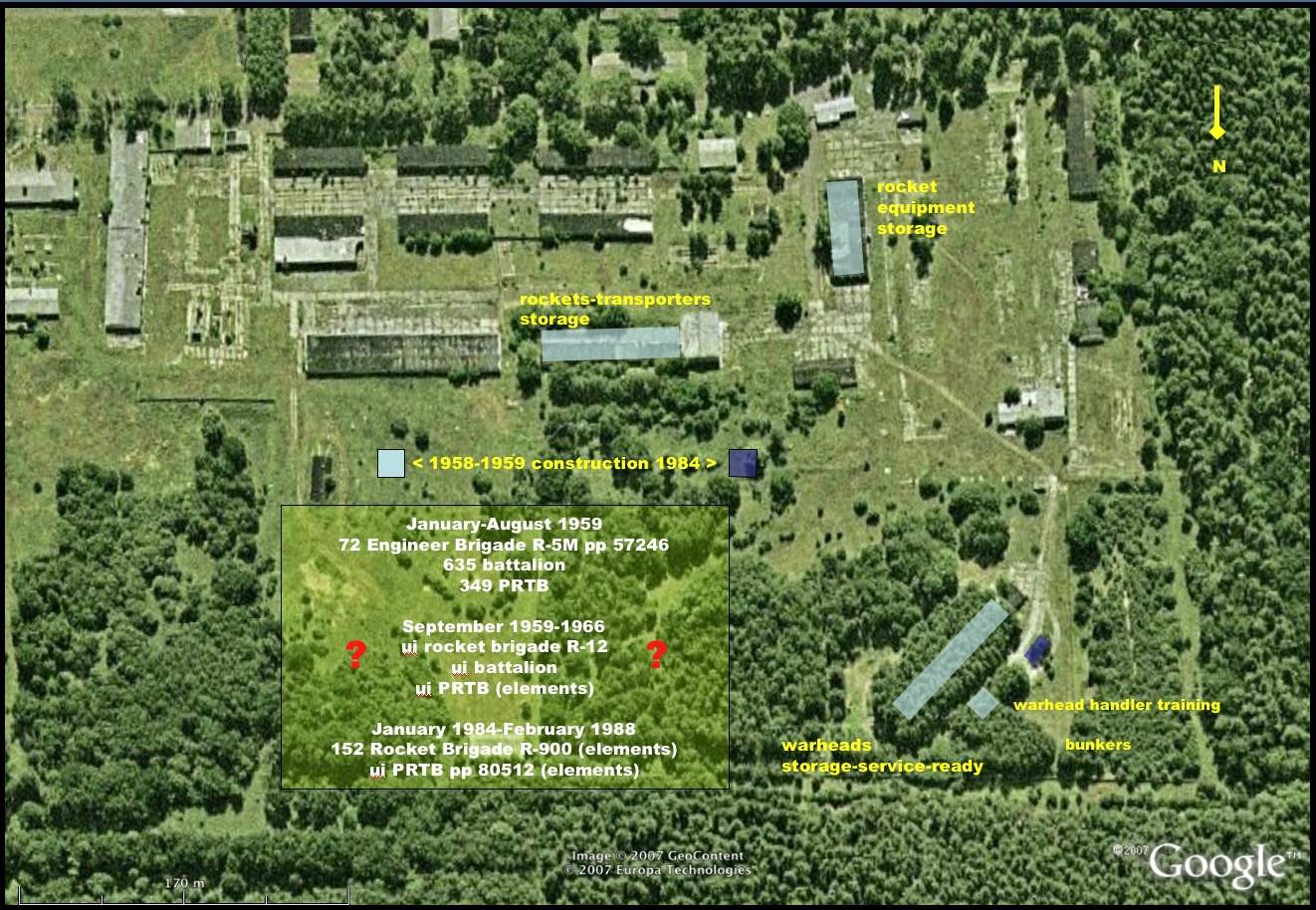
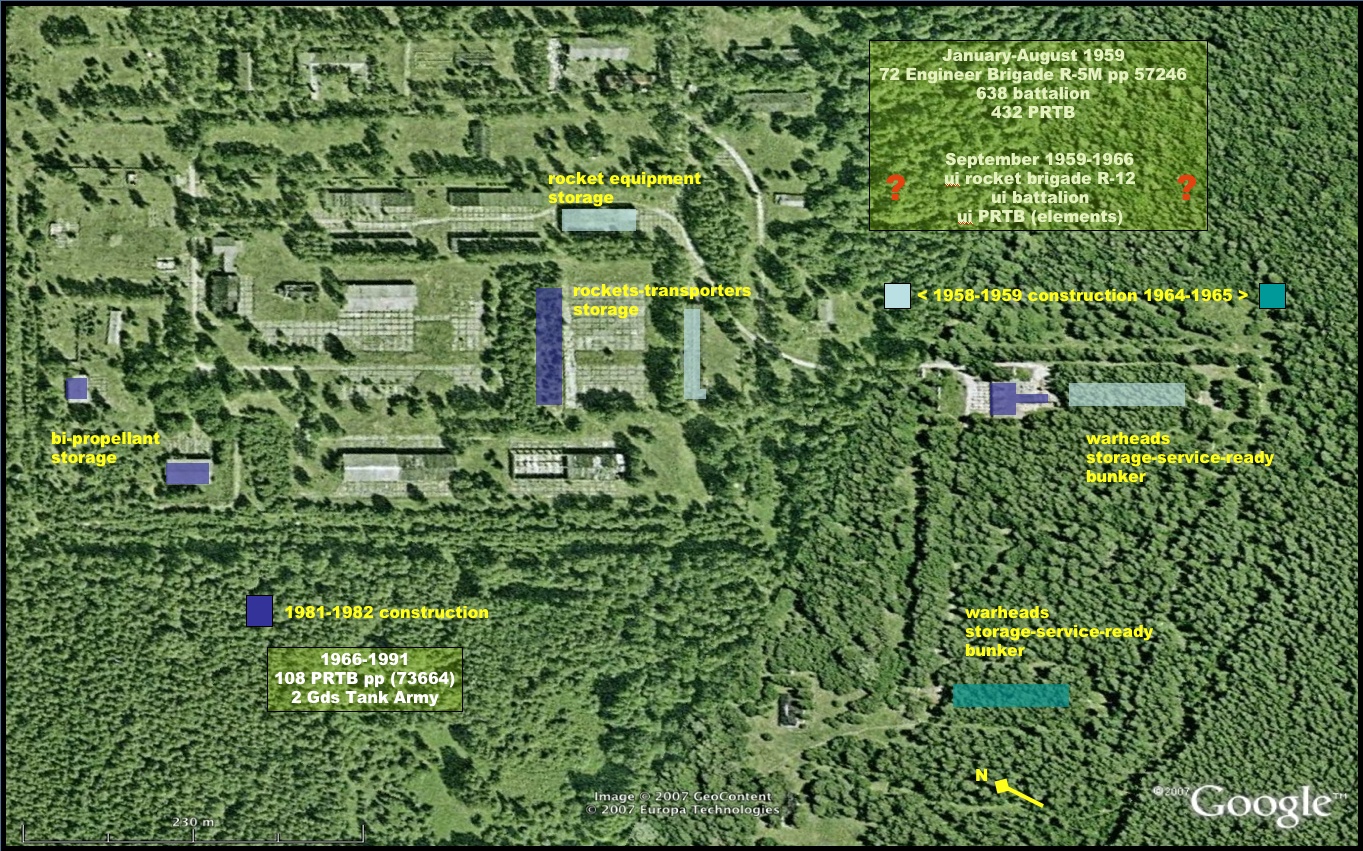
Tuten’s book reveals, sometimes shockingly, the extent to which U.S. intelligence failed to recognize the threat to Europe posed by the Soviet Union and its Warsaw Pact allies during the Cold War. Tuten blames ideological bias for too often distorting the conclusions reached from years of historical evidence. He also criticizes Western intelligence agencies for not utilizing a broad array of both classified and unclassified Soviet sources, including journal articles written by military leaders, to cultivate a broader understanding of the Soviet mindset. This perspective included a singular focus on the victory of socialism at any cost, a belief in the intention of Western powers to commence a nuclear first strike, and an emphasis on stockpiling a range of weapons to meet all contingencies. Tuten further condemns U.S. intelligence for too often trying to translate Soviet concepts to fit fundamentally different Western frameworks. Overall, the author provides a lengthy and highly detailed examination of the composition and organization of Soviet military assets….Tuten hypothesizes that a series of uniquely designed bunkers built between 1959 and 1961 (termed Sensitive Operations Complexes [SOCs]) held stockpiles of both chemical and nuclear weapons, aimed for use on NATO countries. But U.S. intelligence analysts similarly failed to adjust their preconceptions to consider this possibility. Tuten’s expertise and the prodigious research he has devoted to his subject are unimpeachable. But a superfluity of detail and discussion overwhelm both the reader and, more importantly, Tuten’s conclusions….
Can an intelligence service find hidden weapons of mass destruction if it cannot recognize WMD in plain sight?
This hard-hitting monograph, exploiting recent declassification of Cold War materials, presents a timely case study of US intelligence performance; detailing intelligence analysis at work, illustrating realities of inquiry, the convolutions and uncertainties, the known, the missed, the forgotten. Intelligence mirage and reality are contrasted, with the intricate array of made, mishandled, and missed connections providing the unifying theme. The monograph itself constitutes an intelligence report, reassessing evidence to reach a new conclusion—one unnoticed by contemporaries, and revealed here for the first time.